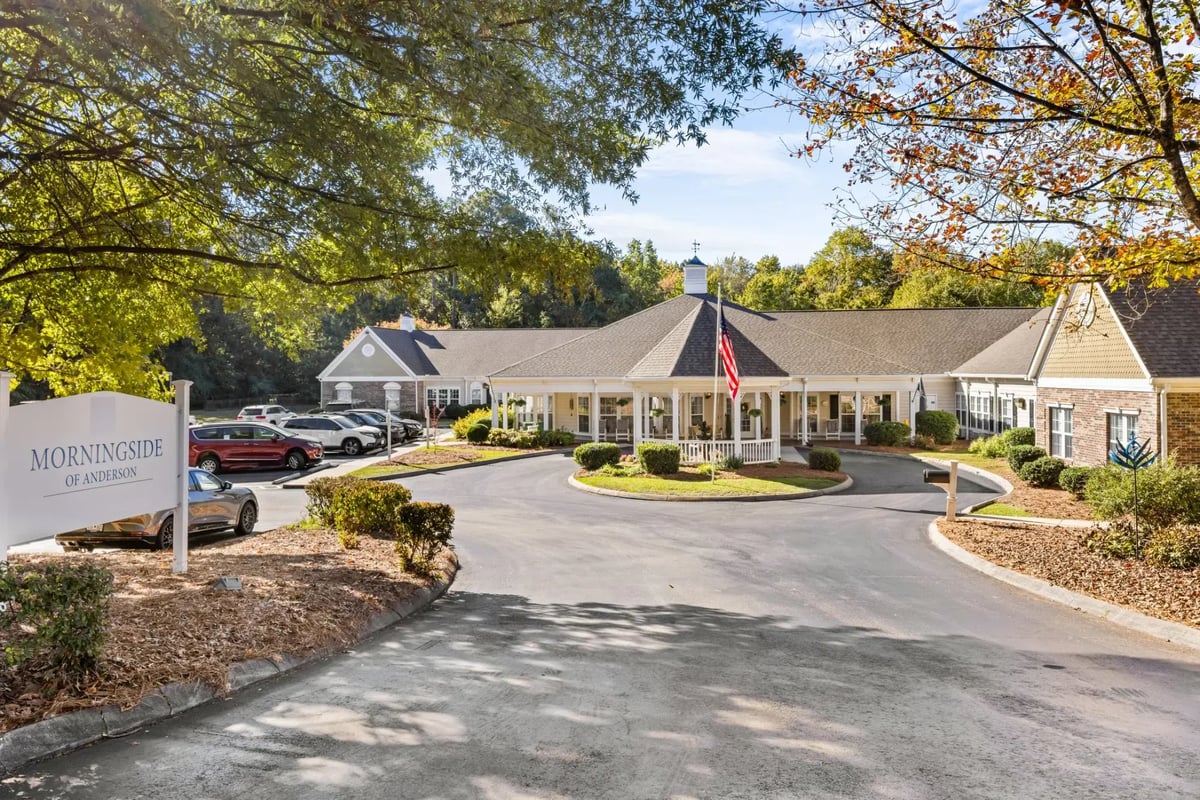

Choosing the right care option for a parent or spouse starts with understanding how senior living communities differ from one another. The terms get used interchangeably, but the assisted living vs. nursing home differences are significant, and they affect daily life, personal routine, and overall well-being. At Morningside of Anderson, we want families across Anderson, South Carolina to feel informed while sorting through their options. This guide walks through the difference between assisted living and nursing home care so you can decide what fits your family's situation.
Core Care and Daily Support
Assisted living communities provide personalized help with daily programs while residents keep their own routines and schedules. Support typically includes:
- Bathing and personal hygiene support
- Dressing assistance
- Medication management and reminders
- Mobility support and wellness checks
A nursing home, more formally called a skilled nursing community, offers licensed medical oversight around the clock, usually for people recovering from surgery or managing complex health conditions. Assisted living communities explained in detail can help bring focus to the features offered daily, while a nursing home is structured around ongoing medical care.
Where You'll Call Home
At Morningside of Anderson, residents settle into private apartment homes furnished with their own belongings, giving each space a familiar, homey feel. Meals, housekeeping, and our associates are close by, but residents come and go, join programs by choice, and keep their own schedules.
A nursing home typically uses shared or semi-private rooms built around clinical routines. The setting prioritizes medical safety, which often means less day-to-day flexibility, a meaningful part of the difference between assisted living and nursing care.
Staying Connected in Anderson
Social connection is part of daily life at Morningside of Anderson, from casual gatherings to outings around town. Residents can take part in:
- Group outings around Anderson and Lake Hartwell
- Fitness sessions and wellness programs
- Hobby groups and shared-interest gatherings
- Community meals featuring chef-prepared menus that accommodate special diets
A nursing home offers far fewer social opportunities, since residents' medical needs take priority over programs and participation often depends on current health status. The atmosphere in an assisted living community tends to feel more like home, with fewer clinical routines shaping the day.
Understanding Payment Options
Families typically cover assisted living through private funds, long-term care insurance, veterans' benefits, or Medicaid waivers where available. A nursing home often involves different sources: Medicare may cover a short-term stay after hospitalization, and Medicaid can become the primary payer for longer stays for those who qualify.
Choosing the Senior Care Level That Fits
Choosing senior care level comes down to an honest look at current health needs. If a parent needs help with daily programs, such as dressing or medication reminders, but doesn't require round-the-clock medical care, an assisted living community is often a strong nursing home alternative for seniors who still want structure and support. Knowing when do you need nursing home level of care matters just as much: recovery from a serious illness or a need for continuous nursing supervision are common signs that skilled nursing may be the safer choice.
A few questions worth asking as a family:
- Does daily support cover the need, or is around-the-clock medical supervision required?
- How much does personal routine and a homelike setting matter at this stage?
- What does a physician or discharge planner recommend after a hospital stay?
A Few Common Questions Families Ask
What is the biggest difference between assisted living and nursing home care?
Assisted living focuses on daily support and comfort, while a nursing home provides continuous medical care for more complex health needs.
Is assisted living a good nursing home alternative for seniors?
For many families, yes. It offers daily support and a homey setting without the more clinical structure of a nursing home.
How do I know when a nursing home level of care is necessary?
Ongoing medical needs, recovery from a serious illness, or the need for round-the-clock nursing supervision are common signs.
Does Morningside of Anderson accommodate special diets?
Yes, our dining program works with residents individually to accommodate dietary needs and preferences.
At Morningside of Anderson, our associates work closely with residents and families to provide the right level of care in a comfortable, homey setting. If you're ready to see what that looks like in person, schedule a tour and experience Morningside of Anderson for yourself.